
Accounting Technology · Fintech
Why Audit Trails Break in the Handoff
A clean audit trail is rarely lost at year-end. More often, it breaks in the handoff. That is a practical problem for CFOs, accounting firm partners, and financial controllers who need every...
A clean audit trail is rarely lost at year-end. More often, it breaks in the handoff.
That is a practical problem for CFOs, accounting firm partners, and financial controllers who need every adjustment to be traceable without delay or confusion. When support lives in multiple places, the file may still be complete in substance, but it becomes harder to review, harder to defend, and slower to close. For teams responsible for accuracy, that extra friction matters.
At BookAudit, we see a simple pattern: the strongest audit trails are the ones that are organized the same way every time. Consistency is what makes a file readable weeks later, not just on the day the entry is posted. For more on how we think about structured review and control, visit BookAudit.
Keep the sequence fixed
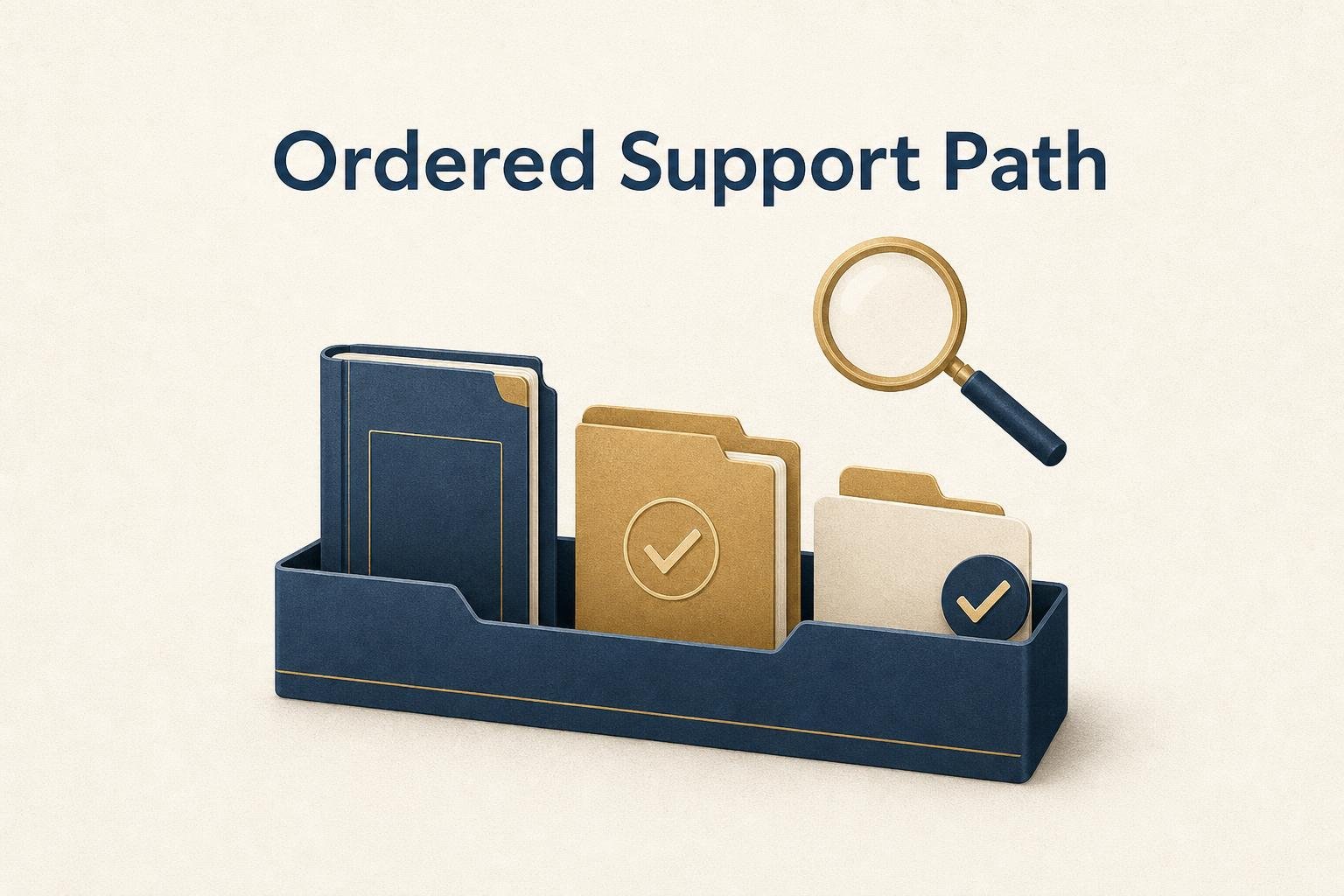
One practical habit is to keep the support for each adjustment in one place, in the same order every time:
source document, review, approval, posting, filing.
That sequence matters because it gives the reviewer a clear path. The source document shows what triggered the entry. The review shows that someone checked it. The approval shows who signed off. The posting shows when the entry hit the books. The filing shows where the record now lives.
When those elements are kept together, the trail reads naturally. When they are scattered across email, shared folders, and miscellaneous notes, the trail becomes harder to follow even if the numbers are correct.
Why the handoff creates risk
Most teams do not lose control because they ignore documentation. They lose control because the documentation is split across people and systems during the transition from preparation to posting to filing. A reviewer may need to search for the approval in one place, the support in another, and the posting note somewhere else. That search time adds avoidable risk.
A clean process reduces that risk by making the next step obvious. If the file is organized in the same order every time, the reviewer does not need to guess where the evidence lives or reconstruct the sequence from memory. The process itself becomes easier to trust.
Add a short explanation for every change
A strong audit trail also needs a brief explanation for the adjustment. A one-line note is often enough when it is paired with the approval. The purpose is not to create extra paperwork. The purpose is to show why the entry was made and who signed off on it.
That short note helps future reviewers understand the business reason behind the change without forcing them to interpret the file from fragments. It also supports a more disciplined close process, because each entry carries its own context instead of relying on follow-up questions later.
Make the file easy to read later
The real test of an audit trail is not whether it looks organized in the moment. The test is whether someone can open the file weeks later and still read the path in order. If the support is complete, the sequence is consistent, and the reason for the change is documented, the file remains usable long after the entry is posted.
That is the standard we should aim for in finance operations: not just correct numbers, but records that can be traced without hesitation. A disciplined handoff protects the integrity of the close and makes review more efficient for everyone involved.
For teams building stronger finance workflows, BookAudit helps keep the trail clear from source to filing. Learn more at our website.


