
Accounting Technology · Fintech
Start Reconciliations with the Current Period Source
A stronger reconciliation habit starts with one simple discipline: begin with the current period source, not last month’s ending balance. For CFOs, accounting firm partners, and financial...
A stronger reconciliation habit starts with one simple discipline: begin with the current period source, not last month’s ending balance. For CFOs, accounting firm partners, and financial controllers, this shift is more than a process preference. It is a control point that helps ensure the review is anchored in what is actually true today, rather than in what was accepted yesterday.
When a team starts with the prior reconciliation, the work can drift into a search for the difference. That approach often feels efficient because the prior month already exists, but it can quietly weaken the review. Instead of checking the current balance against source documentation, the team may spend time trying to explain why the schedule does not match the prior period. In that pattern, small timing items, reclasses, and late adjustments can be carried forward without enough challenge.
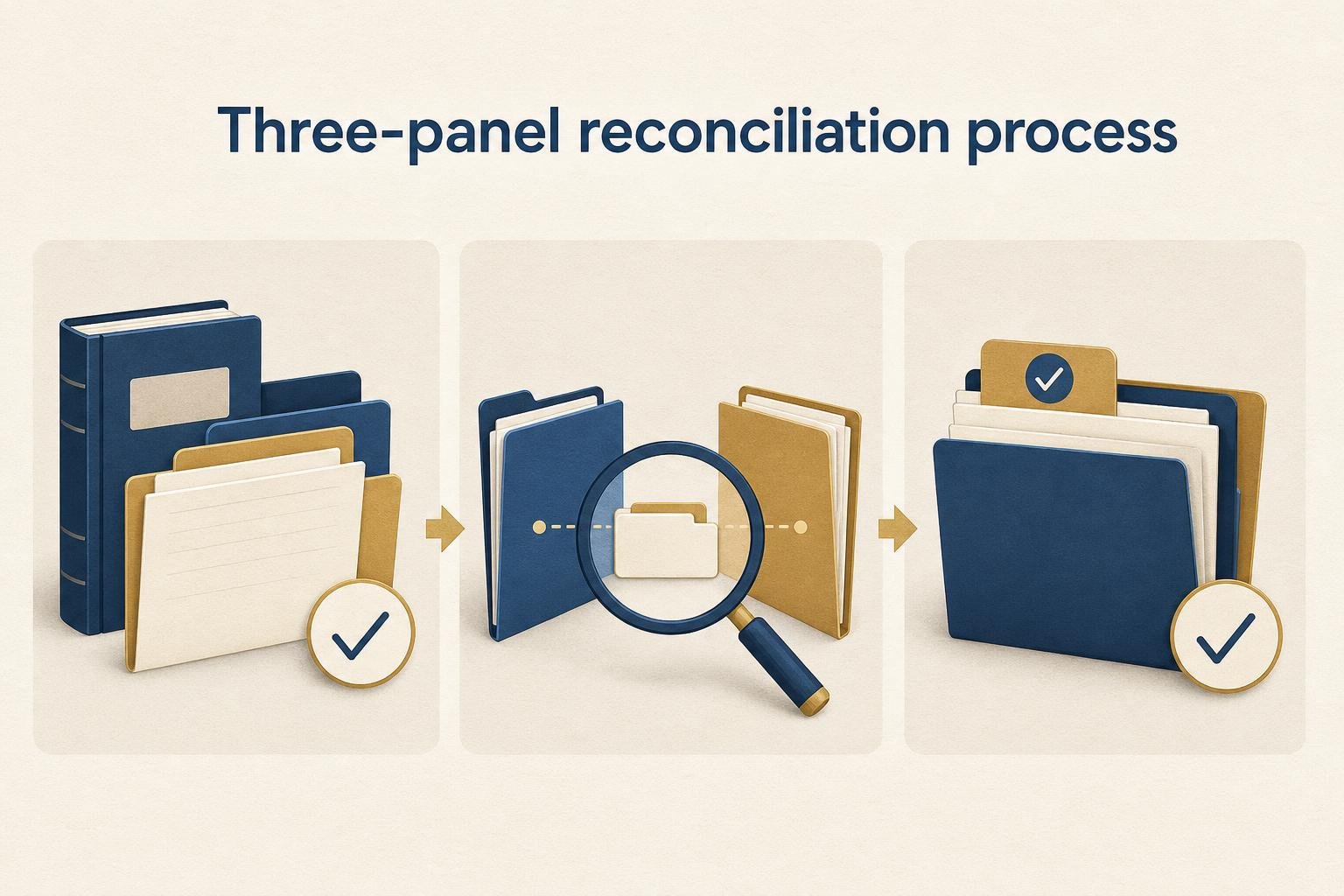
The practical alternative is straightforward: reconcile the current month back to source first. Once the current period balance is confirmed, the prior month becomes what it should be—a reasonableness check, not the starting point for the analysis. This keeps the focus on evidence, not habit. It also reduces the risk of treating an old explanation as if it remains valid simply because it was already documented.
That distinction matters most when items recur. A short list of recurring items, each with an expected reversal date, creates a clearer view of what should still be open and what should have cleared by now. If an item is still on the schedule beyond one cycle, it should not remain there by default. It needs a fresh explanation before it stays.
Stale items rarely announce themselves. They tend to blend into routine when the reconciliation process rewards continuity over verification. A disciplined current-period-first approach helps interrupt that pattern. It creates a natural checkpoint for reviewing whether balances are supported, whether timing differences are still valid, and whether prior assumptions remain appropriate.
For finance teams, this is also a documentation standard. A reconciliation should not only show that a balance ties out; it should show why it ties out. That means keeping explanations current, making reversals visible, and challenging anything that has outlived its original purpose. The result is a cleaner schedule and a more reliable close.
At <a href=


